
Discover how VNEC and MeMe SEL Academy teach emotional literacy through observation, visual clues, and social-emotional learning before labeling emotions. One of the first lessons children learn is to use words.
“Use your words.”
“Tell me what’s wrong.”
“Explain how you feel.”
Words are important, but they are not the beginning of communication.
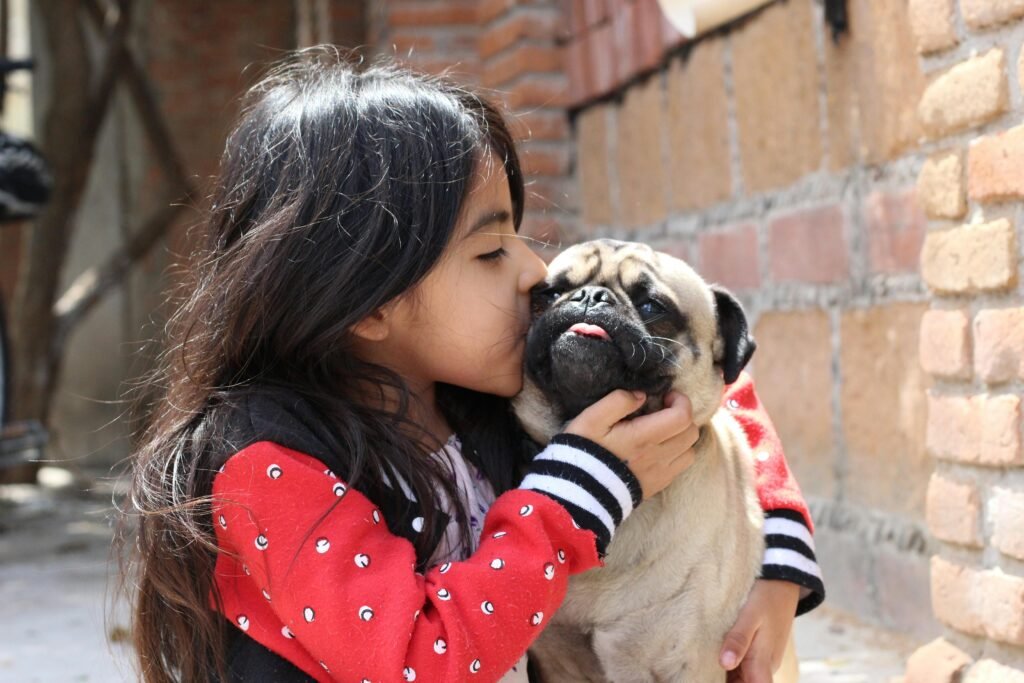
Long before children can explain what they’re thinking, they communicate through their actions. They point, reach, step back, smile, hesitate, and watch. Pets do the same. They don’t explain their feelings with sentences, yet they constantly communicate through movement, posture, and behavior.
That simple idea is at the heart of Visual Narrative Emotional Comprehension (VNEC).
Instead of beginning with the question, “What emotion do you see?” VNEC begins with a different question:
“What do you notice?”
Children become investigators rather than guessers.
They learn to gather evidence by observing:
- Where a character is looking
- How they are standing
- The distance between characters
- Changes from one illustration to the next
- Details in the surrounding environment
Only after collecting those clues do they begin interpreting what might be happening.
This approach strengthens more than reading comprehension.
It encourages patience.
It develops critical thinking.
It teaches children that good decisions are built on evidence rather than assumptions.
In the Forest of Friends, JJ, Tank, Tuffie, Lexus, and Detective Uno all solve problems by paying attention before reacting. Sometimes the biggest clue is not what a character says—it is what they do.
These same observation skills help children beyond books.
A classmate may need encouragement before asking for help.
A family member may seem quieter than usual.
A pet may begin acting differently before showing obvious signs of illness.
Observation helps children recognize that behavior often tells part of the story.
At MeMe SEL Academy, we believe emotional learning begins with curiosity.
Observe.
Interpret.
Compare.
Apply.
When children slow down and notice the clues around them, they discover something remarkable.
Understanding doesn’t begin with the answer.
It begins with paying attention.
Reflection for Parents and Educators
The next time you read a picture book together, pause before turning the page and ask:
“What do you notice that someone else might miss?”
That single question can turn every story into an opportunity to build observation, empathy, and thoughtful decision-making.
If you’d like to continue building these skills with your children or students, explore the Forest of Friends, Detective Uno’s Emotional Clue Academy, and the VNEC framework at MeMeJJandFriends.
Because every emotion leaves clues.
Every clue tells part of a story.
And every story is worth understanding.
Observation Is a Skill Children Use Every Day
The ability to observe carefully is valuable far beyond the pages of a picture book.
Every day, children encounter situations where paying attention helps them better understand the people and world around them.
A classmate who suddenly becomes quiet may simply need a friend to listen.
A sibling who walks away from a game may be feeling frustrated rather than angry.
A grandparent’s smile may hide tiredness.
Even family pets communicate constantly without words. A dog waiting by the door, a cat hiding under a chair, or a rabbit sitting unusually still may all be telling us something through their behavior.
Observation encourages children to pause before making assumptions. Instead of rushing to conclusions, they learn to collect clues, ask thoughtful questions, and remain open to learning more.
These are the same habits used by scientists, detectives, healthcare professionals, teachers, engineers, and first responders. Each profession depends on careful observation before making decisions.
At MeMe SEL Academy, we believe children can begin developing those habits through stories. Every illustration becomes an opportunity to notice details, compare observations, and support ideas with evidence.
When children practice observation consistently, they aren’t just becoming stronger readers—they’re becoming more thoughtful communicators, problem-solvers, and compassionate members of their communities.
From Story Time to Real Life Learning with Emotional Literacy
One of the goals of the VNEC framework is to help children carry observation beyond the classroom.
After reading a story, families and educators can encourage children to become emotional clue detectives in everyday life.
Ask questions like:
- What clues did you notice on the playground today?
- Did your pet do anything unusual this morning?
- What made you think your friend needed encouragement?
- What changed that helped you understand the situation better?
These conversations help children recognize that emotional learning doesn’t stop when the book closes. Every day offers new opportunities to observe, think critically, and understand others with greater empathy.
That’s why MeMe SEL Academy is more than a collection of books. It’s an invitation to slow down, pay attention, and discover that every story—whether in a book, at school, or at home—begins with observation.