
Children Learn More Than We Think From Animals
Can pets help children build emotional intelligence? Learn why observing real rescue animals teaches empathy, observation, and emotional inference better than many traditional lessons.
Anyone who has lived with a dog knows something remarkable.
Dogs don’t use words.
Yet we understand them.
We know when they’re nervous.
We know when they’re excited.
We know when they’re waiting for something.
How?
Observation.
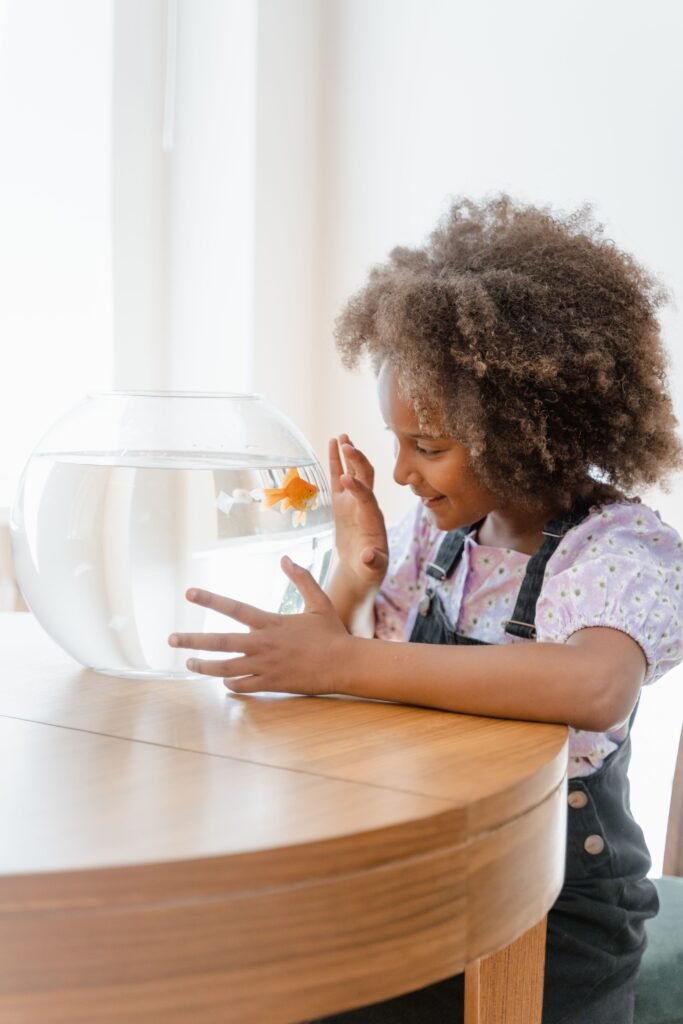
Animals Force Us to Slow Down
Unlike people, animals communicate almost entirely through behavior.
Posture.
Movement.
Distance.
Eye contact.
Tail position.
Attention.
Children naturally begin looking for these clues.
Without realizing it, they are practicing emotional inference.
JJ and Tank Teach This Every Day
JJ and Tank couldn’t be more different.
JJ is a small Chihuahua.
Tank is a powerful Pit Bull.
Yet their friendship teaches children something important.
Strength isn’t measured by size.
Confidence isn’t measured by appearance.
Friendship isn’t limited by stereotypes.
Children don’t simply read about these ideas.
They observe them unfolding through the characters’ actions.
Observation Becomes Empathy
Children who carefully observe animals begin paying closer attention to people too.
They notice when someone is left out.
They recognize when someone needs encouragement.
They become slower to judge.
Faster to understand.
That is emotional intelligence growing naturally.
Why Real Animals Matter
Every story in MeMe, JJ & Friends began with real observations.
Hours spent watching rescue pets interact.
Learning how they solved problems.
Watching friendships develop.
The books simply preserve those authentic moments.
Children aren’t just reading fiction.
They’re learning from real behavior.
Final Thought
Sometimes the greatest emotional teachers never speak at all.
They wag.
They purr.
They wait.
And if children learn to notice those moments, they’ll become better at understanding people too.
Every Animal Has a Personality
One of the biggest misconceptions about animals is that they all behave the same way.
Anyone who has shared life with multiple pets knows that isn’t true.
JJ approaches the world differently than Tank.
Tank responds differently than Lexus.
Uno notices details that other characters miss.
Even MeMe and Tuffie, despite becoming lifelong friends, expressed themselves in completely different ways.
Children quickly recognize these differences. They begin noticing that personalities influence behavior just as much as emotions do.
That realization encourages children to avoid making assumptions about both animals and people.
Observation Is a Skill That Can Be Practiced
Observation isn’t a talent that some children are born with while others are not.
Like reading or riding a bicycle, observation improves with practice.
Each time children pause to examine an illustration before turning the page, they strengthen this skill.
They begin asking questions such as:
- Who moved closer?
- Who stepped back?
- Who is watching instead of participating?
- What changed from the last picture?
- What clues do I notice before anyone speaks?
These simple questions transform reading into an active investigation.
Instead of looking only at the words, children begin reading the illustrations with the same level of attention.
Why Rescue Animals Make Powerful Teachers
Rescue animals have often experienced change, uncertainty, or fear before finding a permanent home.
As they learn to trust again, they communicate through body language rather than words.
A hesitant step forward.
A cautious glance.
A relaxed posture after feeling safe.
Children naturally become curious about these changes.
By observing those small moments, they begin understanding that emotions can change over time and that kindness, patience, and consistency help build trust.
These lessons extend far beyond caring for animals. They help children become more compassionate classmates, siblings, and friends.
Curiosity Builds Empathy
One of the most valuable habits children can develop is replacing assumptions with curiosity.
Instead of immediately deciding why someone acted a certain way, they begin asking thoughtful questions.
What might have happened?
What clues support my thinking?
Could there be another explanation?
This shift is important because empathy grows when children recognize that every situation has a story behind it.
Animals teach this lesson naturally.
They don’t explain themselves with words.
They invite us to observe carefully instead.
From the Living Room to the Classroom
The observation skills children practice with family pets can easily transfer into learning.
A student who learns to notice subtle changes in a dog’s behavior is also strengthening skills needed to:
- interpret illustrations,
- compare scenes,
- recognize patterns,
- draw conclusions from evidence,
- support ideas with observations.
These are the same thinking skills used in reading comprehension, science investigations, and problem-solving activities.
Observation is not just an emotional skill.
It is a learning skill.
The VNEC Difference
Visual Narrative Emotional Comprehension (VNEC) begins with one simple belief:
Children should observe before they interpret.
Instead of immediately asking, “How does this character feel?” VNEC encourages children to gather evidence first.
They notice posture.
Eye direction.
Distance between characters.
Changes in body language.
Actions.
Only then do they discuss what those observations might mean.
This process helps children become careful thinkers rather than quick guessers.
Looking More Closely Changes Everything
Animals remind us that communication isn’t always spoken.
Sometimes a wagging tail says enough.
Sometimes a cautious step forward reveals growing trust.
Sometimes sitting quietly beside a friend shows more kindness than words ever could.
When children learn to notice these moments, they aren’t just becoming better readers.
They’re becoming better observers of the people around them.
And in a world where so much communication happens beyond words, that may be one of the most valuable life skills we can teach.