
Is Social Emotional Learning enough? Discover why simply naming emotions isn’t always enough and how observation, emotional inference, and visual literacy help children build lasting emotional intelligence.
Walk into almost any classroom today and you’ll find some form of Social Emotional Learning (SEL).
Children identify emotions.
They match facial expressions.
They point to emoji charts.
They learn words like happy, sad, angry, excited, frustrated, and worried.
These lessons matter.
But an important question remains.
What happens after a child names the emotion?
That is where many SEL activities stop.
Real life doesn’t.
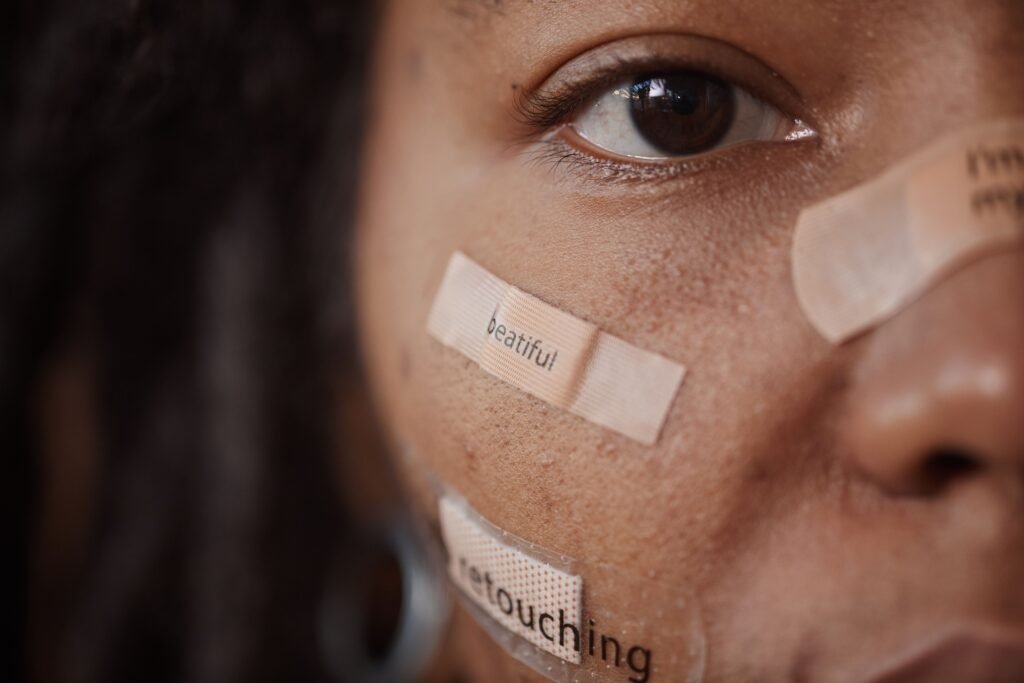
Real Life Doesn’t Announce Feelings
Adults rarely say,
“I’m frustrated.”
Children rarely do either.
Instead they show it.
A friend becomes unusually quiet.
Someone avoids eye contact.
A classmate suddenly sits alone.
Another child stops participating.
None of those behaviors come with an emotion label attached.
Children must learn to notice the clues before they can understand the feeling.
That skill is emotional inference.
Observation Comes Before Understanding
At MeMe, JJ & Friends, we teach children to slow down and observe first.
Instead of asking,
“How does Tank feel?”
we ask,
- What do you notice?
- Where is Tank looking?
- Who moved closer?
- Who stepped away?
- What changed from the previous page?
Children become investigators rather than guessers.
They learn to gather evidence before reaching conclusions.
That same process helps them become stronger readers, better friends, and more thoughtful problem-solvers.
Emotional Intelligence Is Built Through Practice
High emotional intelligence isn’t about memorizing feeling words.
It’s about recognizing patterns.
Seeing relationships.
Noticing body language.
Understanding context.
Adjusting your thinking when new information appears.
These are skills children can practice every day through stories.
Beyond the Band-Aid
SEL should never stop with identifying emotions.
Naming emotions is the beginning—not the destination.
When children learn to observe first, they become more empathetic because they stop making quick assumptions.
They become better communicators because they look beyond facial expressions.
They become stronger readers because they learn to gather evidence from illustrations before making predictions.
That is the heart of Visual Narrative Emotional Comprehension (VNEC).
Instead of asking children to memorize emotions, we teach them how to discover them.
That is a skill they can carry into every classroom, every friendship, and eventually every workplace.
Thoughts That are Important
The goal isn’t simply to help children recognize emotions.
The goal is to help them understand people.
And understanding always begins with observation.
Why This Matters Beyond the Classroom
Social-emotional learning doesn’t end when the school day is over. Children use these same skills on the playground, at home, during sports, and eventually in the workplace. Every day they are interpreting the emotions of siblings, parents, teachers, coaches, and friends.
Imagine a child who notices that a friend who usually talks a lot has suddenly become quiet. Instead of assuming that friend is angry or doesn’t want to play, the child who has practiced observation may pause and ask, “Are you okay?” That small moment of curiosity can prevent misunderstandings and strengthen friendships.
Emotional intelligence isn’t simply knowing emotional vocabulary. It is recognizing that behavior often tells us something words do not.
Why Observation Comes Before Labels
Think about how detectives solve a mystery. They don’t begin with the answer. They begin by collecting clues.
The same process happens when children learn emotional inference.
Before assigning a feeling, they observe facial expressions, body language, distance between characters, eye direction, and changes in the environment. Each clue contributes to a more thoughtful interpretation.
This approach encourages children to slow down rather than making quick assumptions. Instead of immediately deciding that someone is angry, they learn to ask themselves, “What evidence do I see?”
That habit can improve both reading comprehension and everyday relationships.
Picture Books Are Full of Emotional Evidence
Illustrations often communicate information that words never mention.
A character may smile while standing alone.
Another may look away while everyone else is laughing.
Someone might take one small step closer to offer comfort.
These visual details invite children to become active observers rather than passive readers.
At MeMe, JJ & Friends, every illustration is intentionally designed to encourage children to notice these moments before discussing emotions. The story becomes an investigation instead of simply another book to read.
Preparing Children for the Future
The ability to observe carefully has value far beyond childhood.
Employers consistently rank communication, teamwork, problem-solving, and adaptability among the most important workplace skills. Each of these depends on understanding people.
Children who practice observing emotions today become adults who are better listeners, stronger teammates, and more effective leaders.
Learning to notice before judging is a skill that lasts a lifetime.
A New Way to Think About SEL
Social-emotional learning has made an important difference in classrooms by helping children recognize and talk about feelings. That progress deserves recognition.
The next opportunity is to help children strengthen the skills that come before naming emotions. Observation, interpretation, and reflection allow children to understand not only what someone might be feeling, but also why.
Rather than replacing SEL, approaches like Visual Narrative Emotional Comprehension (VNEC) build upon it. They encourage children to become thoughtful observers who gather evidence, consider multiple perspectives, and make informed interpretations.
Because in life, people rarely tell us exactly how they feel.
We learn by paying attention.