
Social Emotional Learning: What Children Learn From Animals
Social emotional learning is needed when children don’t have the words to explain what they feel.
That’s where stories help.
At MeMe, JJ & Friends, every character in the Forest of Friends experiences emotions children recognize—fear, joy, uncertainty, patience, courage—and models what it looks like to move through those feelings safely.
This is the heart of Social-Emotional Learning (SEL).
🌱 What Is Social-Emotional Learning?
Social-Emotional Learning using VNEC helps children develop:
- Self-awareness – recognizing emotions
- Self-regulation – managing reactions
- Social awareness – understanding others
- Relationship skills – building trust and friendship
- Responsible decision-making
SEL doesn’t require lessons or lectures.
It works best when children see it lived out.
That’s exactly what stories do.
🐾 How the Forest of Friends Teaches SEL Naturally
JJ – Learning from Mistakes
JJ reacts quickly when he feels afraid.
Through gentle correction and kindness, he learns:
- Mistakes don’t define us
- Growth comes from understanding
- Apologizing and learning are part of belonging
SEL focus: self-awareness, accountability
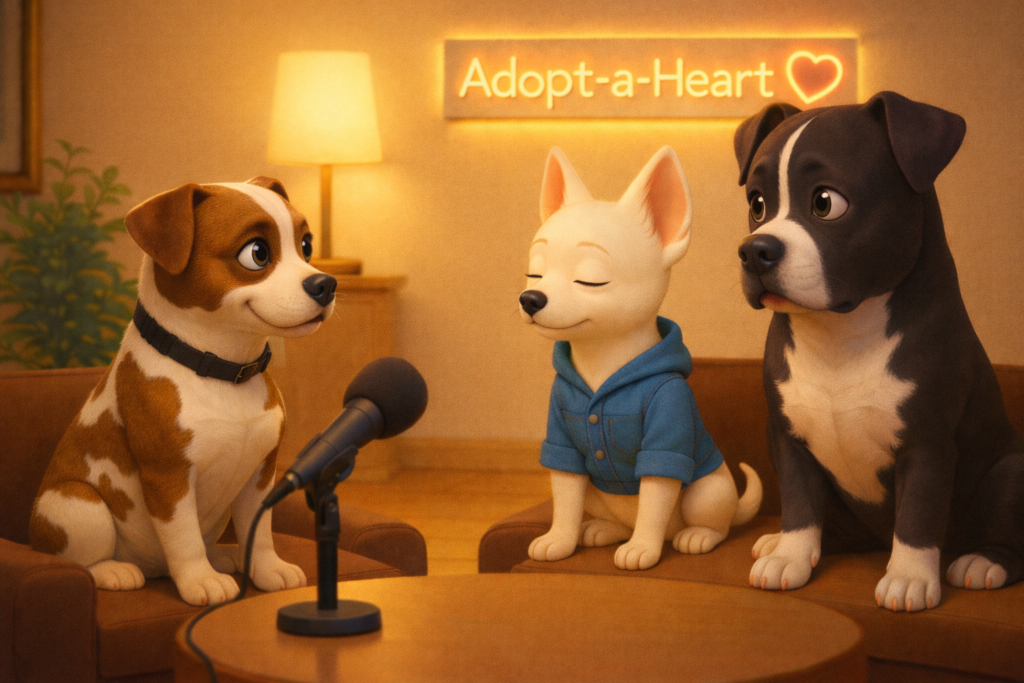
MeMe – Joy, Curiosity, and Confidence
MeMe leads with enthusiasm and heart.
She shows children:
- It’s okay to express excitement
- Confidence can be kind
- Joy brings others together
SEL focus: self-expression, positive social interaction
Tank – Gentle Strength
Tank looks big and intimidating, but he chooses gentleness.
Children learn:
- Strength doesn’t mean aggression
- Kindness is a choice
- Calm responses build trust
SEL focus: emotional regulation, empathy
Tuffie – Boundaries and Belonging
Tuffie is observant and cautious.
She teaches:
- It’s okay to take your time
- Boundaries are healthy
- Friendship doesn’t require forcing closeness
SEL focus: self-respect, emotional safety
Ricky Ticky – Awareness and Action
Ricky Ticky reacts quickly when others need help.
Children see:
- Awareness matters
- Helping can be quiet and fast
- Everyone contributes differently
SEL focus: social awareness, responsibility
📚 Why Stories Matter for SEL
Children absorb lessons best when:
- They feel emotionally safe
- Characters feel relatable
- The story mirrors real-life feelings
The Forest of Friends doesn’t tell children what to feel.
It shows them how feelings move, change, and settle.
Animal characters give children a safe way to explore big feelings without feeling judged or corrected. When a child watches JJ wait, Tank feel unsure, MeMe show patience, or Tuffie learn to trust, the lesson feels like a story instead of a lecture. This is why social emotional learning through animal stories can be so effective. Children can notice facial expressions, body language, choices, and consequences while still enjoying the comfort of familiar characters. In the Forest of Friends, real pets help young readers practice empathy, emotional awareness, problem-solving, friendship, and kindness. These story moments give parents, teachers, and caregivers simple openings for conversations about what a character feels, why they may act that way, and how a friend can respond with care.
These animal-centered stories also support visual literacy because children are asked to look closely before deciding what a character feels. A lowered head, wide eyes, a pause, a wagging tail, or a friend standing nearby can all become clues. Instead of rushing to name an emotion, children learn to observe, think, compare, and explain. That process helps them build stronger emotional vocabulary while practicing kindness in a way that feels natural and age-appropriate and learning this can help them in other parts of emotional development.
💛 For Parents, Educators, and Librarians
These stories are designed to:
- Spark gentle conversations
- Support classroom and home SEL goals
- Encourage empathy without pressure
- Reinforce kindness, patience, and understanding
They work whether read aloud, independently, or revisited often.
🌳 Final Thought
Every child deserves a place where feelings are allowed, mistakes are learning moments, and friendship grows at its own pace.
That’s what the Forest of Friends offers.