Observe
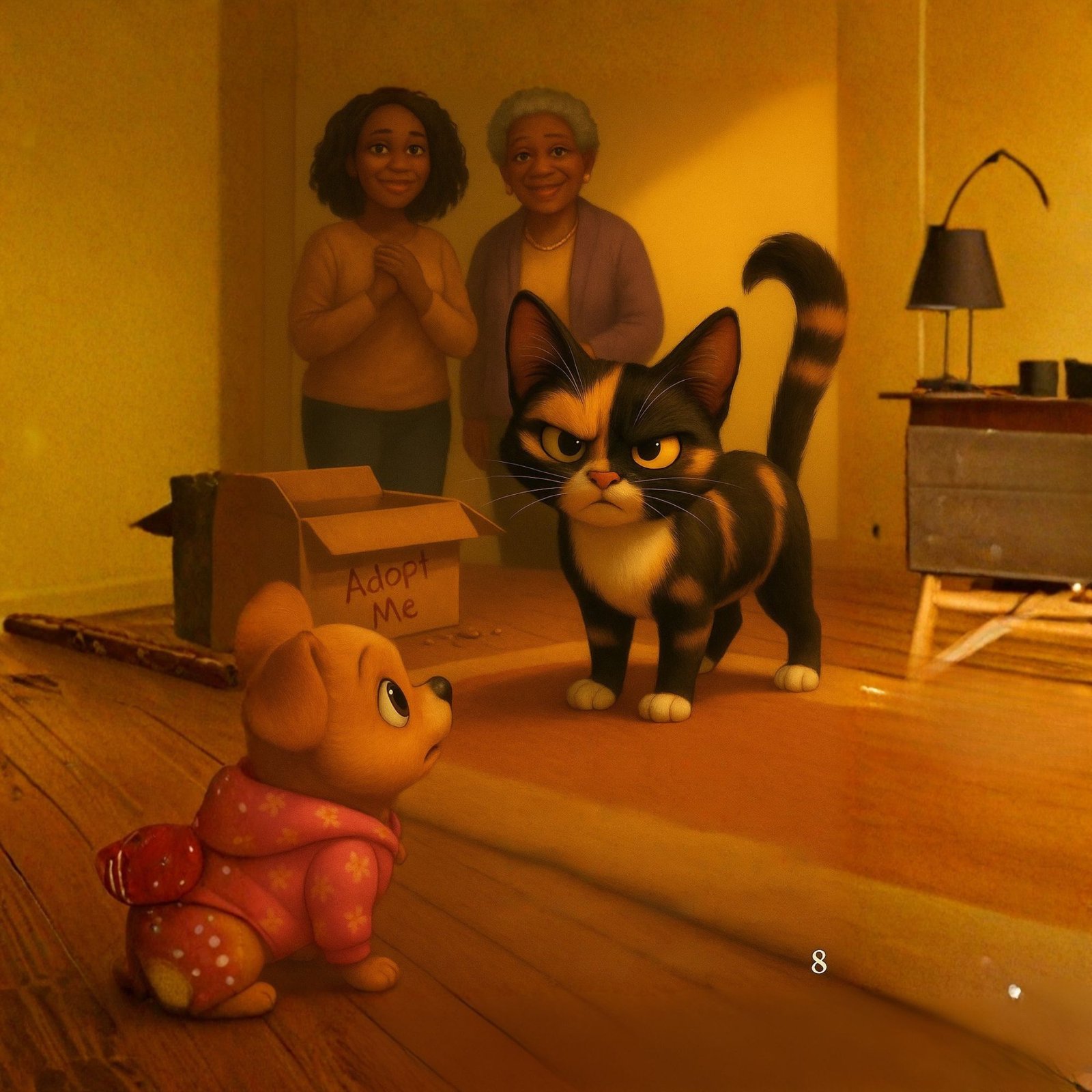
Say only what can be seen: posture, gaze, distance, movement, hands, feet, and setting.
“What do you notice?”MeMe SEL Academy • Pre-K–5
When a child reacts quickly, misreads someone, or cannot explain what feels wrong, “use your words” may be too big a first step. VNEC begins with something children already know how to do: look closely.
The familiar problem
Adults often ask for an emotion or explanation before the child has gathered enough information. VNEC slows the moment down so a parent or teacher can guide the child from reaction to observation—and from observation to understanding.
The VNEC method
Visual-Narrative Emotional Comprehension uses illustrated stories to help children collect evidence before deciding what a character—or another person—may feel.
Say only what can be seen: posture, gaze, distance, movement, hands, feet, and setting.
“What do you notice?”Use those clues to form an idea—without treating the first idea as the only answer.
“What might be happening?”Reveal the story words or a second image. Notice what confirms or changes the first idea.
“What new clue changed your thinking?”Connect the reasoning to a real-life choice, relationship, or response.
“What could you do next?”DETECTIVE UNO • PRACTICE CASE
Look before you label
Try the difference
Ask a child to examine the scene. Then switch between a quick guess and the evidence Detective Uno would collect.
FIRST RESPONSE
That may be true, but the child has not yet explained how they know.
Made for real learning spaces
Use a familiar character to begin a hard conversation without putting the child on the spot.
Build close observation, inference, and evidence-based discussion into literacy and SEL time.
Bring character-led observation practice to libraries, teacher preparation, and community programs.
VNEC pricing
VNEC can begin at home, in one classroom, or across a school. Each level supports the same core practice: observe first, gather evidence, compare what changes, and apply the reasoning.
Home access to character-led observation and emotional comprehension resources.
Individual educator access to VNEC resources for guided classroom use.
Classroom-ready materials and resources for group instruction and practice.
School-level implementation of VNEC with access designed for broader educator use.
Training and implementation support for educators, schools, and partner organizations.
Final pricing may vary based on enrollment, implementation scope, customization, professional development, and digital licensing needs.
Decision proof for schools
VNEC buyers can review the instructional model, a concrete student-facing example, and documented presentation or collection markers before defining a school scope.
The Detective Uno example turns a quick emotional guess into clue-gathering, evidence-based explanation, and a chance to revise the conclusion when new information appears.
Review the VNEC method →Built in practice
VNEC grew from studying the visual moments children use to understand the Forest of Friends—and testing how adults can guide that observation intentionally.
Request a VNEC conversation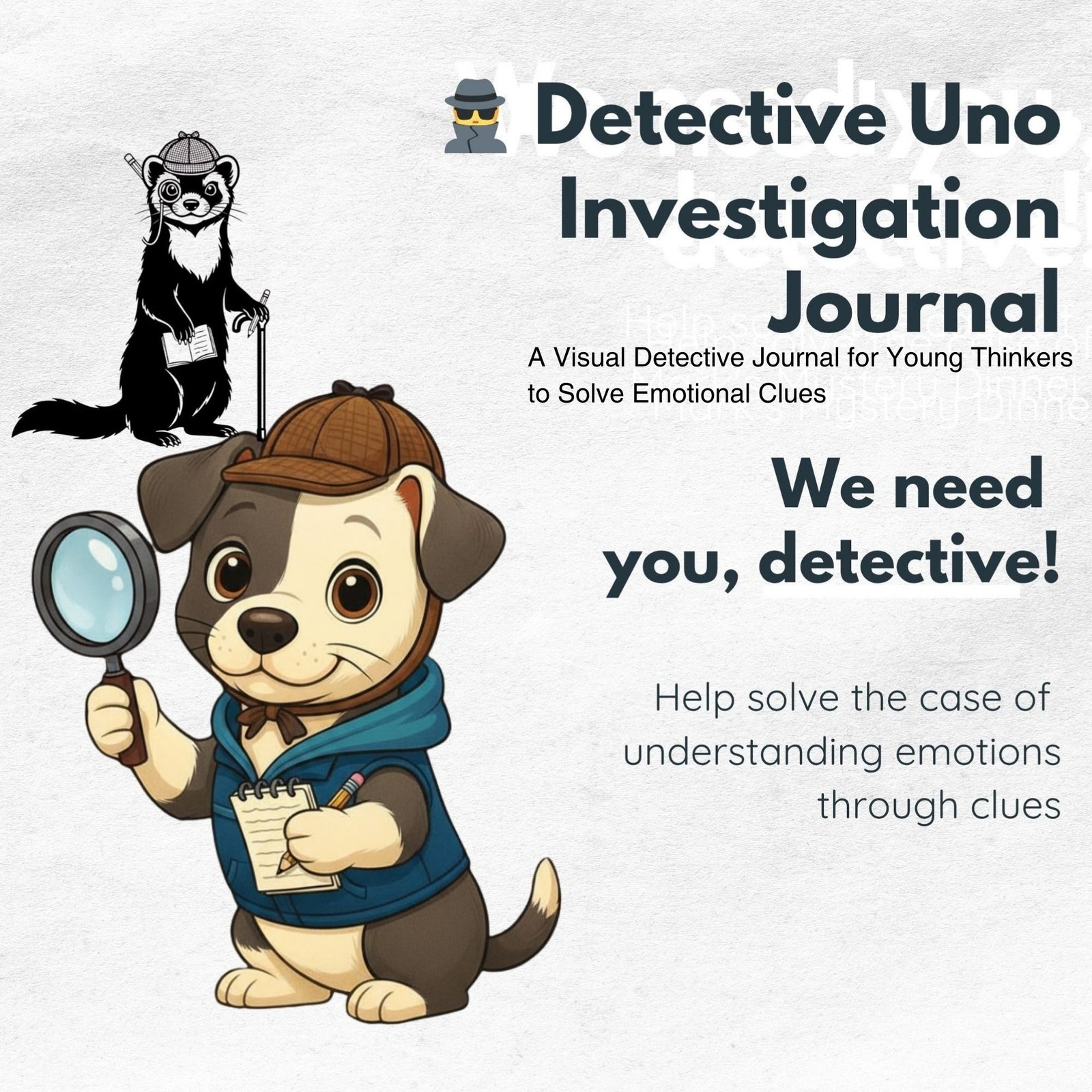
Start with one case
The Detective Uno approach turns observation into clue-gathering. Use it to practice noticing details, explaining ideas, and changing conclusions when new evidence appears.
Bring VNEC to your setting
Let’s explore a demonstration, educator workshop, literacy experience, or pilot for your school, library, teacher-preparation program, or community organization.
Request a demonstration →