
Try simple social emotional learning activities parents can use at home in five minutes to build confidence, empathy, resilience, and emotional intelligence. A simple five-minute daily SEL routine helps children build confidence, empathy, resilience, and emotional intelligence through meaningful conversations. Parents don’t need hour-long lessons to teach emotional intelligence.
Sometimes five intentional minutes can make a lasting difference.
A daily Social Emotional Learning (SEL) check-in helps children recognize emotions, strengthen communication, and build confidence.
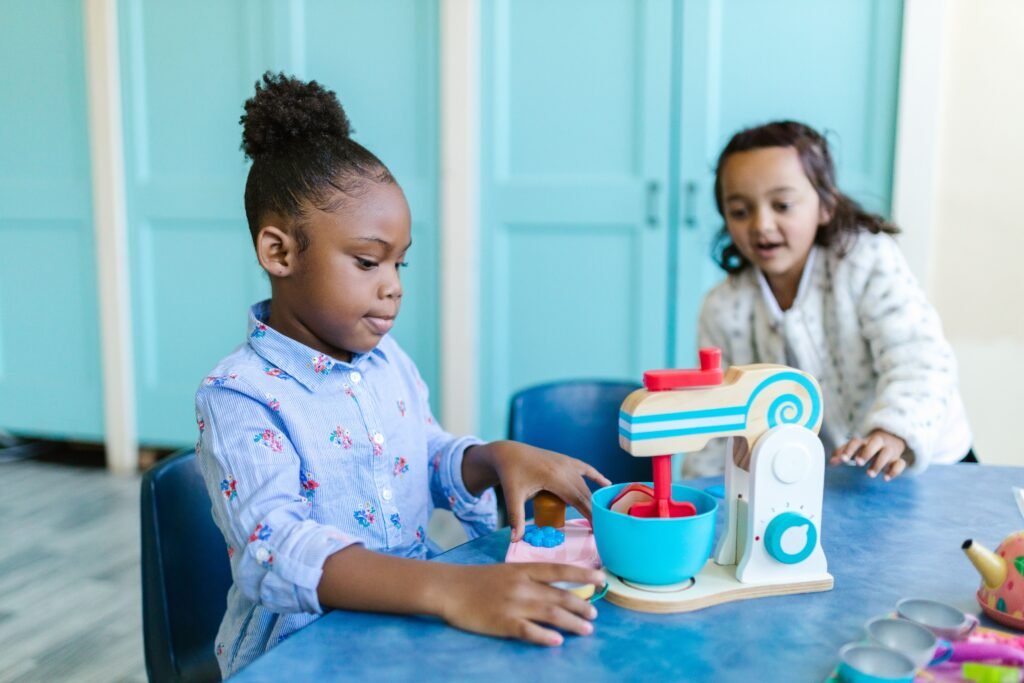
The Five-Minute Routine
Minute 1: What Happened Today?
Ask:
“What was one good thing that happened today?”
Minute 2: How Did That Make You Feel?
Instead of giving the answer, let your child describe the feeling.
Minute 3: What Clues Told You That?
Encourage observation.
Did your stomach feel funny?
Did you smile?
Did someone give you a hug?
Did you notice your friend’s face?
Minute 4: What Would You Do Next Time?
Help children think through different choices without judging their answers.
Minute 5: Celebrate Growth
End every conversation with encouragement.
Growth matters more than perfection.
Why This Works
Children learn emotional intelligence through repeated practice—not one big conversation.
These five minutes teach children to:
- Notice emotions
- Think before reacting
- Understand other people
- Build confidence
- Develop resilience
Stories Make These Conversations Easier
The Forest of Friends series was created to help families continue these conversations through story.
Whether it’s JJ showing quiet courage, Tuffie learning to trust again, or Tank discovering that asking for help is a strength, each story creates natural opportunities for meaningful family discussions.
Five minutes today can help build emotional confidence that lasts a lifetime.
Why Social Emotional Learning Activities Matter at Home
Many parents believe social emotional learning activities only happen in the classroom. In reality, some of the most meaningful emotional lessons happen around the dinner table, during a car ride, or while reading a bedtime story.
Everyday conversations give children opportunities to recognize emotions, express their thoughts, and understand the feelings of others. These small moments help children develop emotional intelligence while strengthening family relationships.
The goal is not to have perfect conversations every day. The goal is to create a safe space where children know their thoughts and feelings matter. Even five minutes of focused attention can help children build confidence and resilience over time.
Turn Everyday Moments Into Social Emotional Learning Activities
You don’t need expensive programs or complicated lesson plans to teach emotional skills. Simple daily routines can become powerful social emotional learning activities.
Try asking questions such as:
- What made you smile today?
- Did anything make you feel frustrated?
- How did someone show kindness today?
- What is one thing you are proud of?
- If you could change one thing about today, what would it be?
These questions encourage children to pause, reflect, and communicate instead of reacting without thinking.
Learning Through Stories
Stories are one of the easiest ways to begin conversations about emotions. Children often find it easier to discuss how a character feels before talking about their own experiences.
In the Forest of Friends series, readers watch JJ, MeMe, Tuffie, and Tank face challenges that require courage, patience, friendship, and kindness. Parents can pause during the story and ask children what emotional clues they notice before revealing how the characters respond.
This simple approach encourages observation, empathy, and critical thinking while making story time interactive and enjoyable.
A Small Habit That Creates Lifelong Skills
Children do not develop emotional intelligence in a single lesson. They learn through consistent practice, caring conversations, and positive role models.
A five-minute daily check-in may seem small today, but over weeks and months it helps children become better listeners, stronger problem-solvers, and more compassionate friends.
Those are skills that support success in school, healthy relationships, and future careers. One conversation today can make a lasting difference tomorrow.