
Trooper’s story supports social emotional learning by helping children explore:
• Patience – understanding that good things take time
• Empathy – recognizing feelings in others, even when they’re quiet
• Kindness – learning that everyone deserves care and understanding
• Hope – believing that circumstances can changeTrooper teaches children that waiting does not mean being forgotten — and that kindness can be a powerful form of courage.
Ask your child:
“How do you think Trooper felt while he waited?”
“How can we show kindness to someone who feels left out?”
What Trooper Teaches Through VNEC
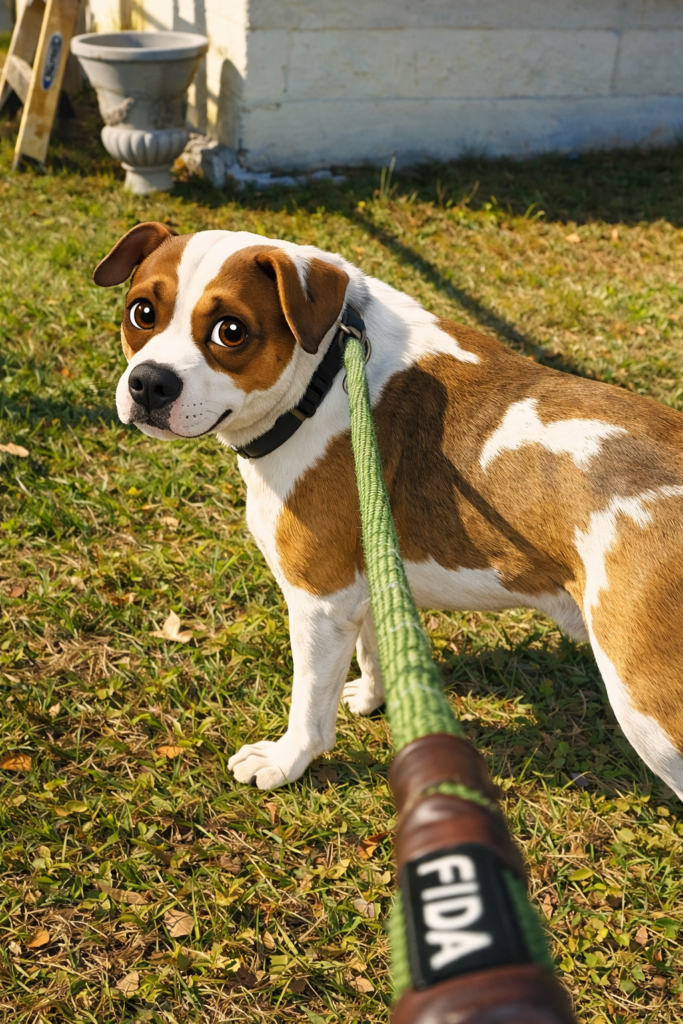
Trooper’s story offers children an opportunity to practice Visual Narrative Emotional Comprehension (VNEC). Before reading a single word, children can study Trooper’s expression, posture, and body language and begin asking important questions. How might Trooper be feeling? Is he hopeful, nervous, lonely, or curious? What clues helped you decide?
Through VNEC, children learn to observe visual details, interpret emotions, compare their observations with the story, and apply those insights to their own lives. Trooper’s journey from waiting for a family to finding a forever home helps children explore empathy, kindness, patience, and belonging. By discussing what Trooper may have felt during different moments of his story, young readers also gain a deeper understanding of their own emotions and the feelings of others.
Trooper reminds us that every pet has a story worth telling and every child has the ability to notice, understand, and respond with compassion.
VNEC Questions for Trooper’s Story
Use:
- Look: What do you notice about Trooper’s eyes, body, or face?
- Feel: What emotion might Trooper be showing?
- Think: What part of his story helps explain that feeling?
- Share: Have you ever waited for something important?
Trooper’s story helps children understand that feelings are not always spoken. Sometimes we notice emotions through a face, a quiet posture, or the way someone waits. VNEC helps children slow down and see those clues with care.
Why Trooper’s Story Matters
Trooper’s story helps children understand that waiting can carry many feelings. A pet who waits for a family may feel hopeful, uncertain, tired, or ready for love. When children look closely at Trooper’s story, they begin to see that emotions are not always spoken out loud. Sometimes feelings show through quiet eyes, body posture, or the way a character responds to the world around them.
This is where VNEC becomes powerful. Children are not only reading about Trooper; they are learning how to notice him. They can ask what he may be feeling, what clues show that feeling, and how kindness might help. Trooper’s journey gives young readers a gentle way to talk about empathy, patience, belonging, and compassion.
A Gentle Classroom or Home Discussion
Trooper’s story can also become a simple discussion activity for children. After reading or viewing his story, an adult can ask, “What do you think Trooper needed most?” Children may answer love, a home, a friend, food, safety, or someone to notice him. Each answer gives the child a chance to connect Trooper’s experience to care and compassion.
This type of conversation helps children understand that kindness begins with noticing. When they slow down and think about what Trooper may have felt, they are practicing empathy. They are learning that animals, friends, classmates, and family members may all have feelings that are not spoken out loud. Trooper’s story gives children a safe, gentle way to talk about waiting, hope, sadness, trust, and the joy of being chosen.
Trooper’s story also gives children language for what they notice. A child may begin by saying, “He looks sad,” but with gentle questions, that thought can grow into, “Maybe he was waiting for someone to see him.” This is the heart of VNEC. Children move from looking at a picture to imagining a feeling, explaining a clue, and thinking about how kindness can change someone’s story.