
Why New Experiences Can Feel Scary for Children
Children often struggle with new experiences. Discover how stories, rescue pets, and the VNEC process help children build emotional regulation, resilience, and social-emotional learning skills.
In elementary classrooms, one of the most common emotional triggers isn’t conflict.
It’s change.
A new seating chart.
A substitute teacher.
A different routine.
An unfamiliar student joining class.
For children, “new” can register as “unsafe.”
In the world of MeMe, JJ & Friends™ – Forest of Friends, we see this through Uno — a young puppy who becomes alert when something unfamiliar appears on his walk. A bench that wasn’t there yesterday suddenly feels threatening.
The object itself isn’t the issue.
The feeling is.
When children encounter something unfamiliar, they often experience uncertainty before they can explain what they are feeling. Stories provide a safe place to practice emotional regulation because children can observe a character’s reactions before reflecting on their own experiences. Through the VNEC process, children learn to notice visual clues, identify emotions, compare situations to their own lives, and discuss possible responses. Animal characters such as Tank, JJ, MeMe, and Tuffie create a comfortable learning environment where children can explore feelings without fear of being wrong. These conversations help build self-awareness, empathy, resilience, and emotional vocabulary that can support children both in school and at home.
Helping Children Name What Feels New
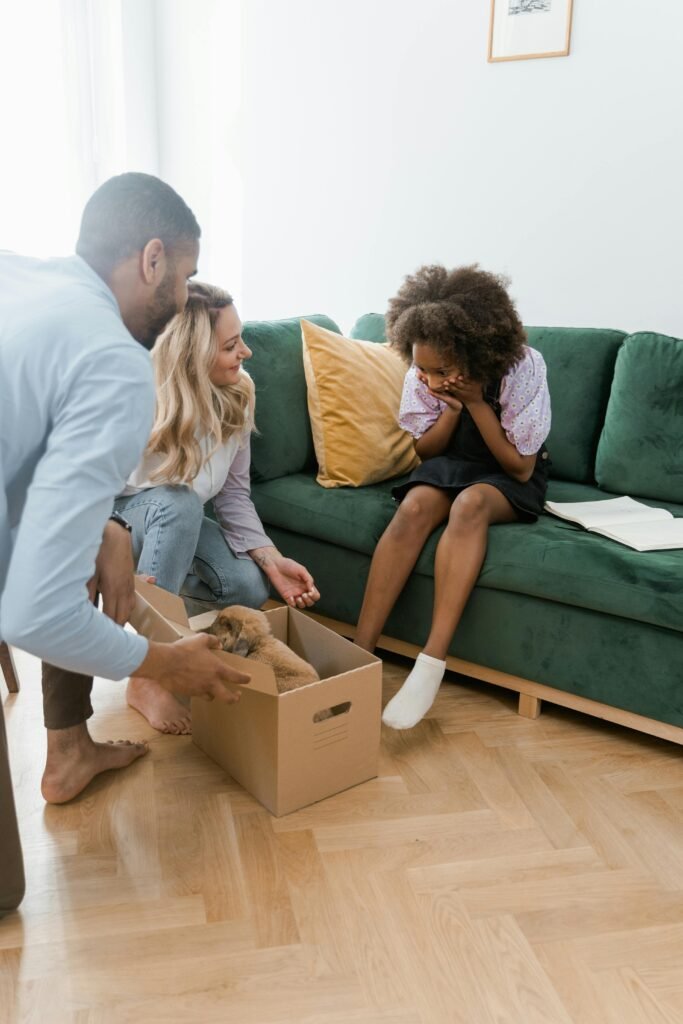
A new place, new friend, new classroom, or new routine can feel big to a child before they have the words to explain it. That is why story-based emotional regulation matters. When children see a character pause, worry, watch, or slowly try again, they learn that nervous feelings do not mean something is wrong. They learn that feelings can be noticed, named, and worked through with support. In MeMe, JJ & Friends, animal characters give children a gentle way to talk about fear, courage, patience, and trust. These story moments can help parents and educators ask simple questions such as, “What do you think the character feels?” and “What helped them feel safe?”
🌿 SEL Focus: Emotional Regulation & Flexible Thinking
This moment supports development in:
• Self-awareness
• Emotional identification
• Impulse control
• Flexible thinking
• Evidence-based reasoning
Instead of reacting immediately, the character pauses, observes, and gathers information before deciding how to respond.
That process mirrors a critical classroom skill:
Pause → Observe → Think → Respond
🧠 Classroom Reflection Prompts
Educators can guide discussion with questions such as:
• Have you ever felt nervous about something new?
• What did your body feel like?
• Did the new thing turn out to be scary or just unfamiliar?
• What helped you calm down?
These questions allow children to connect internal experiences to narrative moments.
📚 Why Story-Based SEL Works
Children often struggle to talk about their own emotions directly.
But they will talk about a character.
Story creates emotional distance, making reflection feel safe rather than exposing.
In the Forest of Friends universe, emotional growth is not presented as a lesson. It unfolds naturally through lived experience — rescue stories, adjustment periods, bonding moments, and identity development.
The SEL is embedded, not imposed.
🐾 Application in Schools
This type of narrative-based SEL can support:
• Morning meetings
• Small group counseling
• Special education settings
• Library read-aloud discussions
• Character education programming
The goal is not to replace curriculum — but to reinforce it through emotionally relatable storytelling.
🌱 The Bigger Picture
Many of the characters in this series are inspired by real rescue pets.
Rescue stories mirror many emotional journeys children face:
• Transition
• Trust-building
• Belonging
• Identity
• Adjustment
When children see growth modeled, they begin to internalize it.
Sometimes the lesson isn’t about the bench.
It’s about the pause before the reaction.