
Learn how elementary classroom literacy project shelter advocacy can connect reading, writing, observation, and speaking with responsible shelter and rescue advocacy using the VNEC sequence.
A classroom can become a place where stories do more than entertain.
They can help students observe carefully, communicate responsibly, and contribute to their community.
The Adopt-a-Heart Classroom Project offers a literacy-centered way to connect reading and writing with shelter and rescue advocacy. In the spirit of Adopt-a-Heart, students learn how to tell meaningful stories about animals awaiting adoption, without exaggerating, guessing, or speaking for facts they do not know.
The goal is not to turn children into adoption marketers.
The goal is to help them become careful readers, ethical writers, thoughtful speakers, and responsible community members.
Begin With Clear Literacy and Advocacy Goals
Before selecting an animal or contacting a shelter, define what students will learn.
A well-designed project can support four connected areas:
- 🐾 Reading: Students identify key details, distinguish fact from opinion, and analyze how information is organized.
- ✨ Writing: Students create animal profiles, informational paragraphs, persuasive messages, or reflective responses.
- 💛 Speaking and listening: Students practice presenting information clearly and responding respectfully to questions.
- 🔍 Observation: Students record visible details and separate what they notice from what they infer.
These goals make the project more than a kindness activity.
They create an authentic audience for informational writing, narrative thinking, oral communication, and visual literacy.
A simple guiding question might be:
“How can we share what is true about an animal in a way that helps people understand the animal responsibly?”
That question keeps advocacy connected to accuracy.
Use Real Information Without Inventing a Story
Shelter animals already have stories, but students may not know every part of them.
That distinction matters.
Students should describe only information provided by an authorized shelter or rescue contact, along with details they directly observe in an approved setting. If a fact is unknown, students should practice saying so.
For example:
- “The shelter says the dog enjoys quiet attention.”
- “In the photograph, the dog is standing near the fence.”
- “We do not know how the dog behaves around cats.”
- “The animal’s age has not been provided.”
This language builds epistemic awareness: the ability to recognize what we know, how we know it, and what remains uncertain.
Age-appropriate storytelling options
Kindergarten–Grade 1:
Students can sort statements into “I see,” “I know,” and “I wonder.” They can dictate a short, fact-based message or create a labeled drawing using verified details.
Grades 2–3:
Students can write a short animal profile with a clear heading, three confirmed facts, one observation, and one question they would ask a shelter professional.
Grades 4–5:
Students can create a persuasive adoption-awareness piece, public-service announcement, or informational poster. They should identify the intended audience and revise language so it is specific rather than exaggerated.
If students write from an animal’s imagined point of view, label the piece clearly as creative writing. A fictional voice should never be presented as a factual adoption biography.
Build the Project Around the VNEC Sequence
The VNEC sequence, Observe → Interpret → Compare → Apply, gives students a practical structure for careful storytelling.
1. Observe
Students begin with visible or documented evidence.
What do they notice in a photograph, video, story, or shelter-provided description?
They might record:
- Body position
- Facial expression
- Distance from people or objects
- Setting and surroundings
- Words used by shelter staff
- Actions that are directly visible
Students should avoid jumping immediately to labels such as “friendly,” “scared,” or “sad.”
First, they gather clues.
2. Interpret
Next, students discuss possible meanings.
A child might say, “The dog looks nervous.”
The teacher can respond:
“What clues helped you think that?”
This supports visual inference and emotional literacy. Students learn that an interpretation is not automatically a fact.
Helpful sentence frames include:
- “I think ___ because I notice ___.”
- “One possible explanation is ___.”
- “We need more information before we can say ___.”
3. Compare
Students compare their interpretations with reliable information.
Does the shelter’s description support the inference? Do two observations show the same pattern? Could there be another explanation?
This step helps students challenge assumptions based on breed, appearance, size, age, or a single photograph.
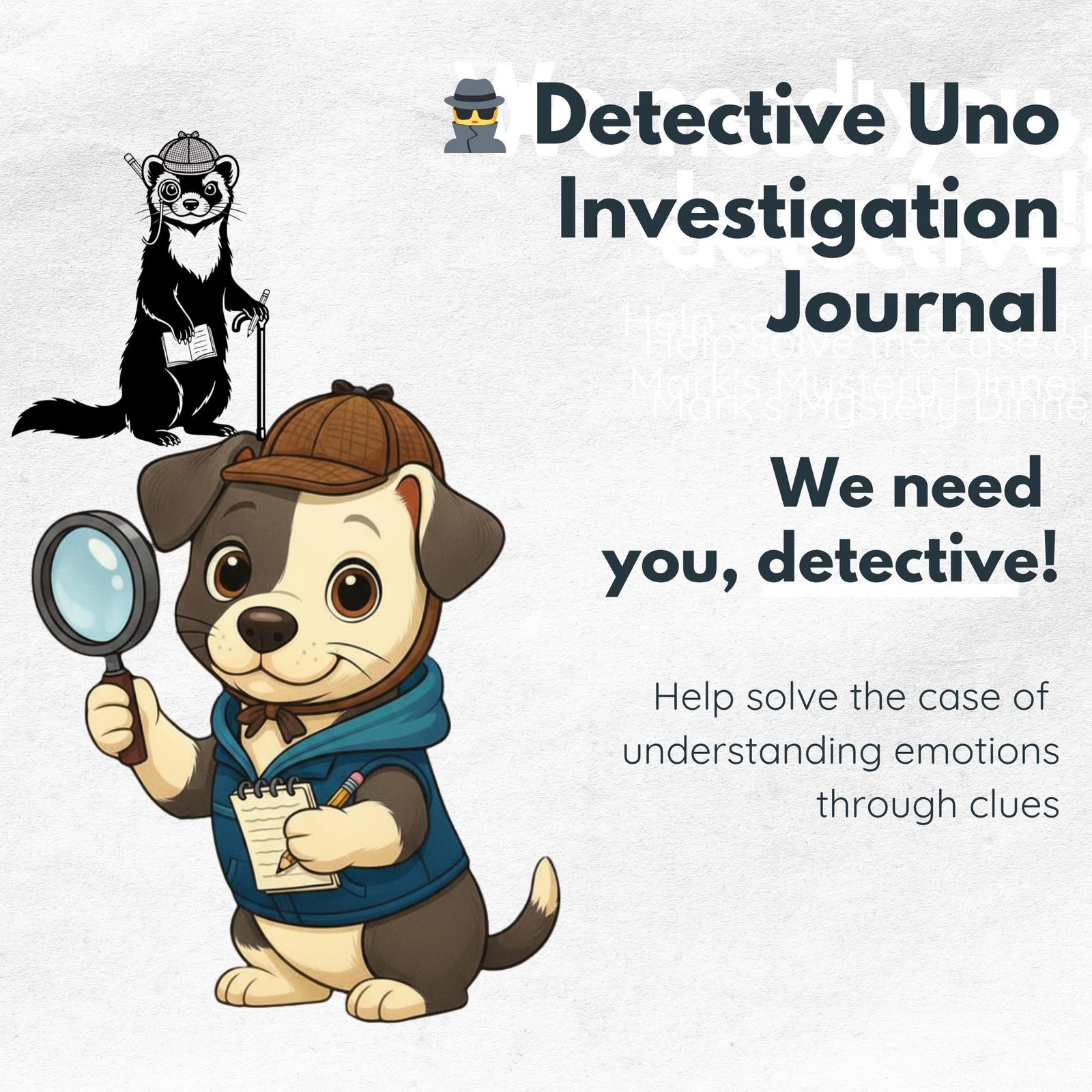
The Forest of Friends approach offers familiar models for this kind of careful noticing. Detective Uno, a gray-and-white pit bull with a gray patch around his left eye, serves as the Lead Investigator. JJ, a white Chihuahua, represents careful observation and noticing details. These character roles can help students understand that good investigators slow down before deciding.
4. Apply
Finally, students use what they know to create a responsible message.
They might write:
- A fact-based adoption profile
- A letter encouraging community support
- A shelter-information poster
- A short oral presentation
- A reflection about responsible pet care
The finished work should communicate clearly without promising outcomes or hiding important information.
Partner Thoughtfully With a Local Shelter or Rescue
A classroom should not contact or visit a shelter informally.
Before any outreach, educators should check:
- School or district communication policies
- Shelter rules for classroom partnerships
- Photo, video, and student privacy requirements
- Parent or caregiver permission procedures
- Volunteer, visitor, and background-check requirements
- Animal-handling and safety expectations
- Accessibility needs for students
- Whether the organization permits student-created materials to be shared publicly
A shelter may prefer to provide approved photographs, biographies, or educational materials rather than arrange direct contact with animals.
That is completely workable.
Students can still practice close reading, source evaluation, writing, revision, and presentation using authorized information. The project should support the organization’s policies, not create extra work or pressure.
A Practical Classroom Project Sequence
Read and notice
Begin with a read-aloud connected to friendship, belonging, rescue, or responsible care.
The books MeMe’s Memory: The Day I Met Tuffie and Tuffie Weathers Her Own Storm can support conversations about Tuffie as a guarded, cautious cat. Students can discuss how a character’s behavior is communicated through story details without making assumptions beyond the text.
Investigate information
Create a class chart with three columns:
- Verified
- Observed
- Unknown
Add information only when its source is clear.
Draft for an audience
Ask students to identify who will read or hear their work: families, classmates, shelter visitors, or community members.
Audience awareness affects word choice, organization, tone, and level of explanation.
Revise for clarity
Students can check:
- Did I include only supported facts?
- Did I separate observation from interpretation?
- Did I avoid promises or stereotypes?
- Did I explain unfamiliar terms?
- Can a reader understand the animal’s needs and qualities?
Present responsibly
Students may share their work with the class or submit it to the shelter only after teacher review and, when appropriate, shelter approval.
Reflection: From Literacy to Community Responsibility
Close the project with questions that invite discovery:
- What did we learn by slowing down and observing?
- Which details were facts, and which were interpretations?
- Why can inaccurate descriptions harm animals and people?
- How did our audience affect our writing?
- What responsibilities come with telling someone else’s story?
- How can literacy help a community make more informed choices?
The most important lesson may be simple:
Advocacy begins with attention.
When students learn to look closely, check information, and communicate with care, they practice skills that extend far beyond animal rescue. They are building habits of evidence-based thinking, empathy, and responsible participation.
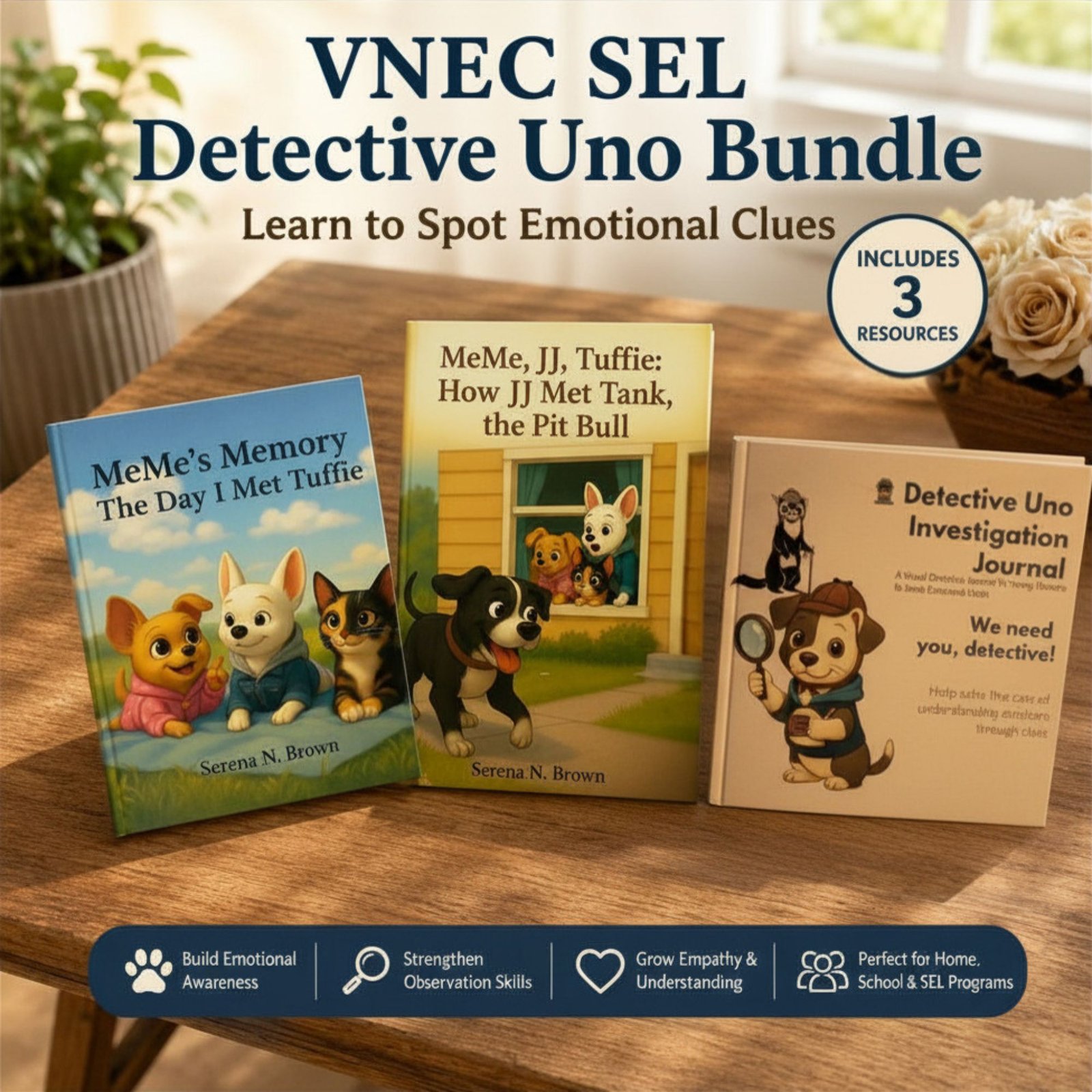
To explore story-based emotional learning and observation activities, visit the VNEC SEL Detective Uno Bundle, the Visual Narrative Emotional Comprehension Journal, and the MeMe SEL Academy. Then stay tuned for more classroom ideas connecting literacy, emotional learning, and community care.