🌲 How Adopt a Heart Began
Mission Statement
Adopt‑a‑Heart is a storytelling initiative that gives shelter pets a voice — honoring quiet hearts waiting to be seen, loved, and adopted.
How It Began
Adopt a Heart belongs in the Forest because the Forest was born from a real adoption. That adoption is told in Book 6, How Serena Met JJ.
Adopt a Heart began with a book — but its roots go back much further.
More than ten years ago, I adopted JJ from the Humane Society of Camden County. When I later returned with JJ and the completed Book 6, How Serena Met JJ, JJ remembered the shelter. As we approached the building, he recognized it immediately. He stopped. He didn’t want to go inside. I had to carry him, and I quietly told him, you are in your forever home, JJ.
While there, I shared the book with the staff. The staff shared photos of the book with the shelter’s board. I later returned with the author’s copy of the book. From the images of the book alone, the board reached out through the staff and offered a partnership and a book signing — an unexpected and deeply meaningful gesture.
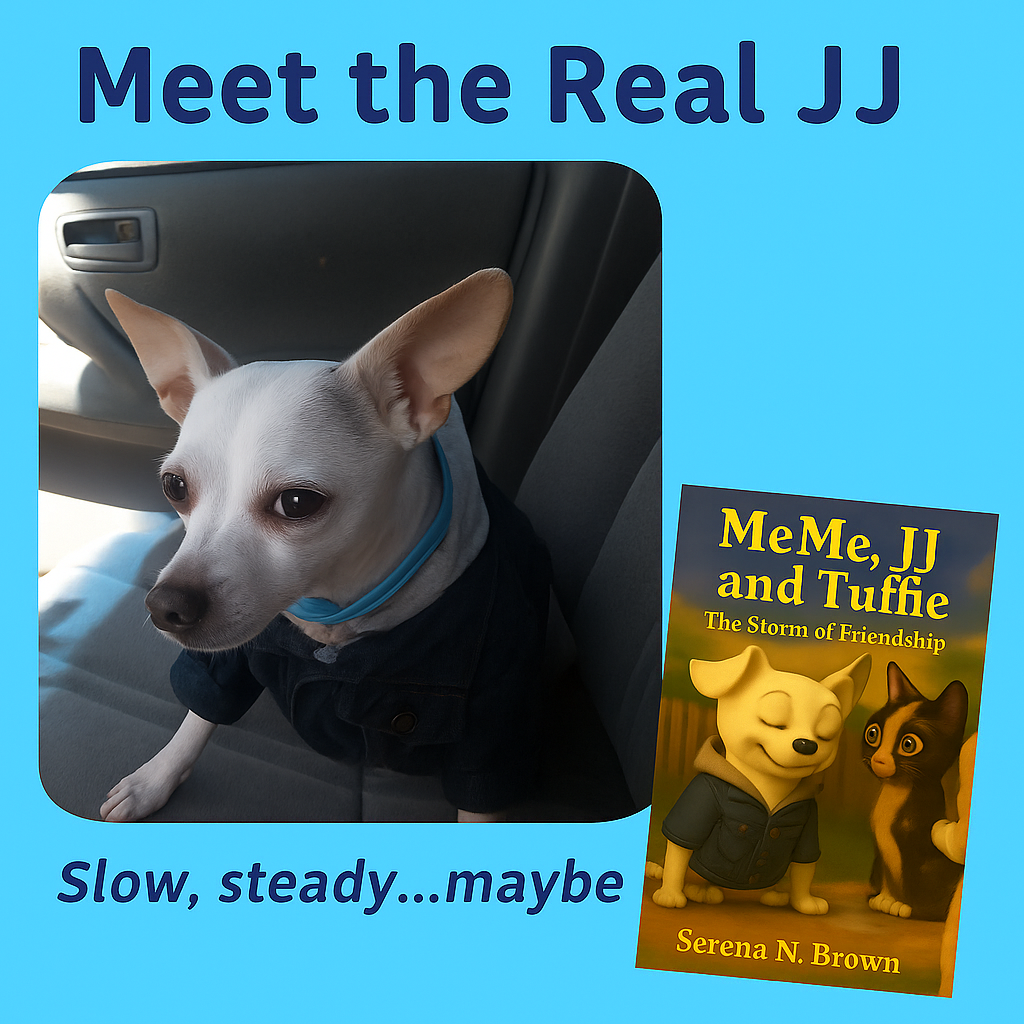
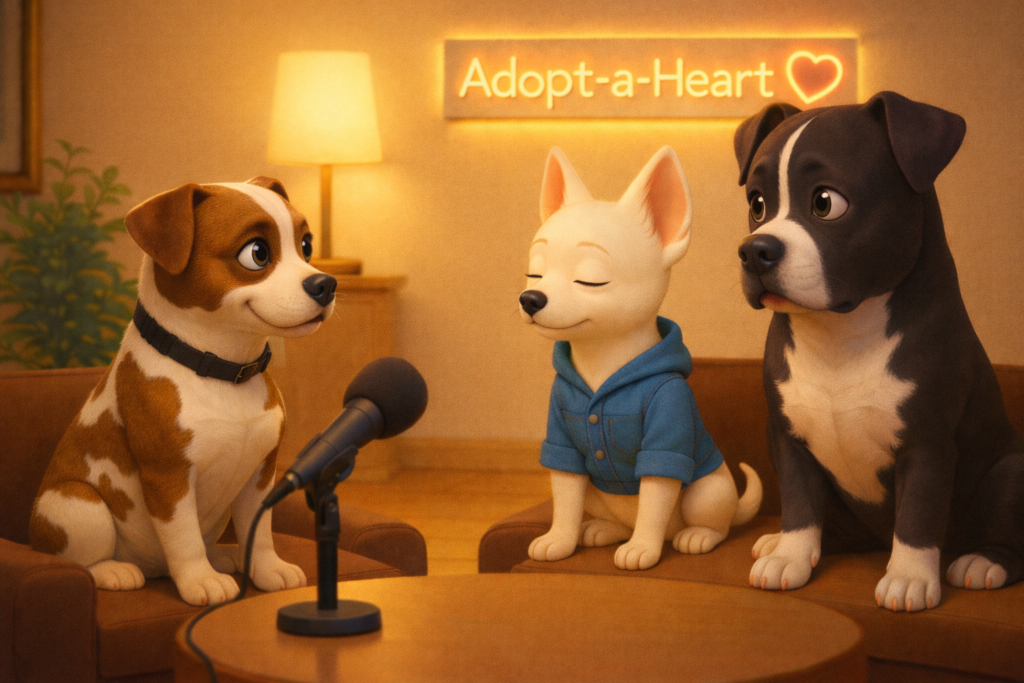
When the shelter mentioned the partnership, I immediately thought about how I could help the pets waiting there. The answer didn’t come right away. It came later, when I animated JJ using the Grok app. Through that animation, the partnership became a mock interview showing how JJ and Tank met.
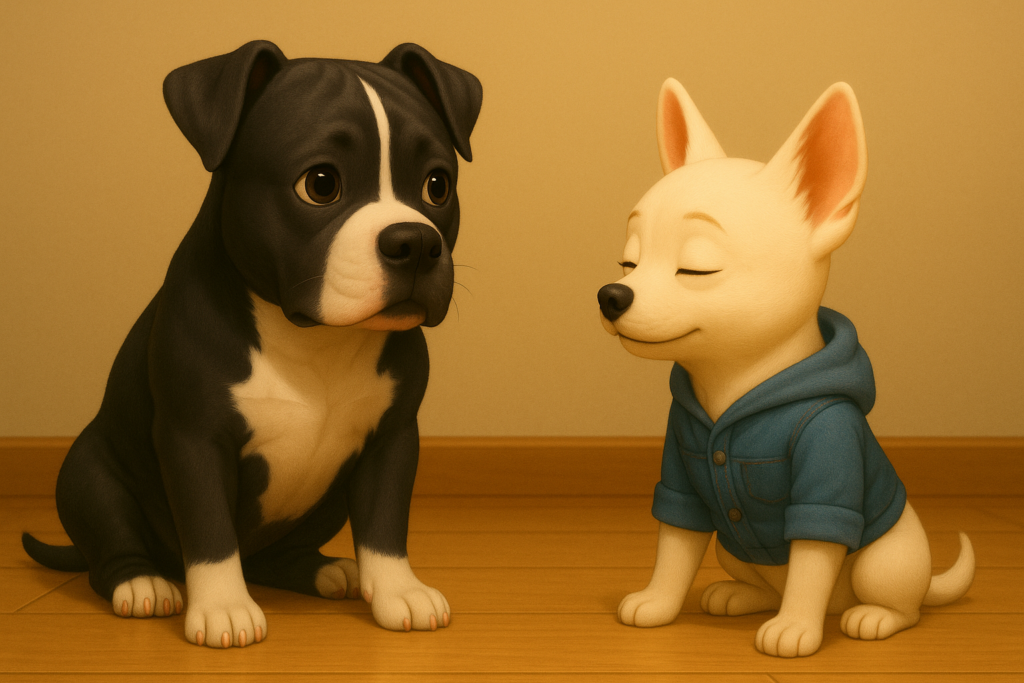
JJ’s story of meeting Tank appears in Book 4 of the series. That story is essential to the origin of Adopt a Heart.
JJ protected his home by sitting on the back of the sofa, looking out the window. One day, while doing that, he spotted what he believed was a threat. The threat, in his mind, was a pit bull. Unbeknownst to JJ’s owner at the time, she opened the front door while the “threat” — a pit bull — was innocently walking by with his owner on the sidewalk.
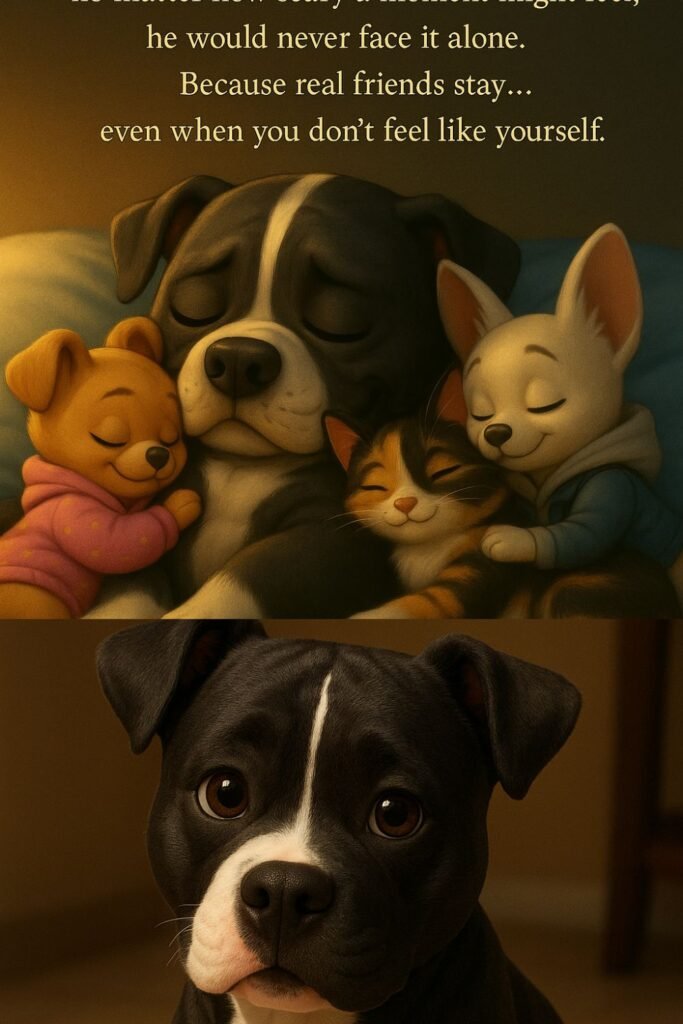
JJ ran out as fast as he could and bit the perceived threat. After gentle correction and a non-retaliatory reaction from Tank, JJ learned that kindness mattered when meeting new pets. Later, when that same pit bull outgrew his puppy exterior, JJ and his family adopted that pit bull. That pit bull later became known as Tank. JJ and Tank are best friends, now.
This encounter is what the mock interview highlights. The mock interview was presented to the shelter as a demonstration of how the personalities of pets can be conveyed through video. Once I shared the mock interview with the shelter.
I asked one more question:
Which pet has been here the longest — the one who might benefit most from having their heart seen?
That’s when they introduced me to Trooper.
Trooper was shy. Quiet. Easy to overlook.
But his wait mattered.
The mock interview was no longer an idea. It evolved into a way of honoring waiting hearts at the shelter — giving a voice to the quiet pets. The pets who do not come forward. The pets who stand back and watch. The pets who, like JJ, choose the heart they want to help or heal.
Through gentle animation of JJ and Tank — pets children already knew — adopt a heart was adapted in a way that felt calm, respectful, and expressive. The Adopt-a-Heart utilize familiar characters to listen to shelter pets, not speak for them.
In order for the interview to take place on video, I first meet with the people who know the pet. I gather information about the pet’s personality through conversation and observation. I ask how the pet interacts with people and other pets. I ask about the pet’s backstory, fears, triggers, and motivations — whether food, toys, or other stimuli. I ask what calms the pet and what causes stress. I learn about the pet’s energy level, quirks, and any small, funny behaviors. I ask staff what type of home would be most suitable.
All of this happens before I meet the pet.
When I meet the pet, I observe whether they are relaxed, stiff, shy, or wiggly. I watch their reactions to strangers — cautious, excited, or scared. I note eye contact, engagement, and how they respond to praise or treats. I observe whether the pet is comfortable in quiet versus noisy environments. I pay attention to their interactions with staff: trusting, clingy, or aloof. I observe curiosity or hesitation in new surroundings. I notice vocalizations — barks, whines, sighs — and tail movement.
All of these observations are what I use to develop the personality of the pet for the animation that follows.
Adopt a Heart was created to honor that waiting — not to rush it, explain it, or turn it into content — but to witness it, and to make sure it wasn’t forgotten.
Trooper became the first heart the Forest sat with.
Members of the community are invited to share short stories inspired by connection, care, and emotional experiences. Selected stories are included in a mini zine created to support local shelter outreach and encourage empathy through shared experience.
Listening Before Speaking
Before any heart is introduced, the Forest listens.
These moments are not interviews in the traditional sense.
They are quiet exchanges — a way for familiar voices to sit with a waiting heart, without asking it to perform or explain itself
From Real Life to the Forest
Mock Interview — A Demonstration of Listening
https://www.youtube-nocookie.com/embed/Nje0PPoFI0U?si=fRTQZMdRkirvEVuO&controls=0
https://www.youtube-nocookie.com/embed/BKB6I_XAkr4?si=ba6rHSbDO9UCcPfb&controls=0
https://www.youtube-nocookie.com/embed/Hx7b93Entf4?si=yhJy_5Dxjg9BCZDG&controls=0
Trooper — The First Adopt a Heart
From Real Life to the Forest
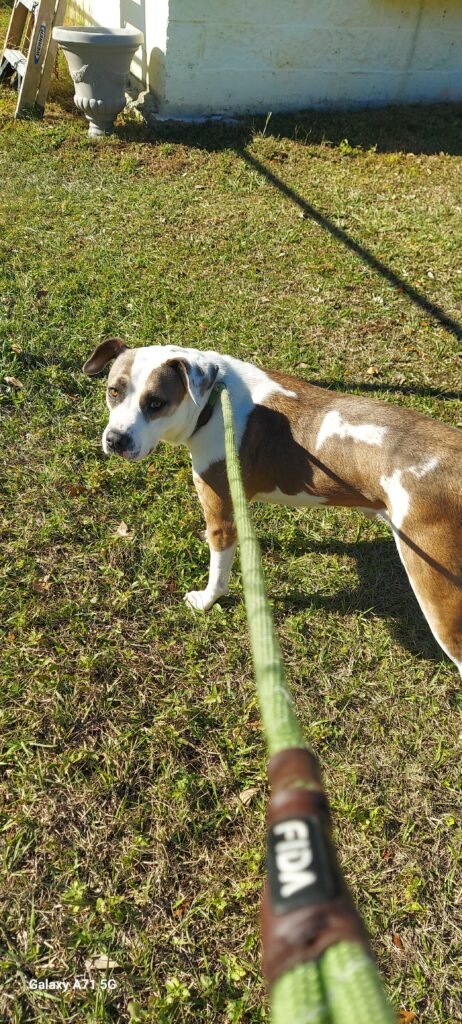
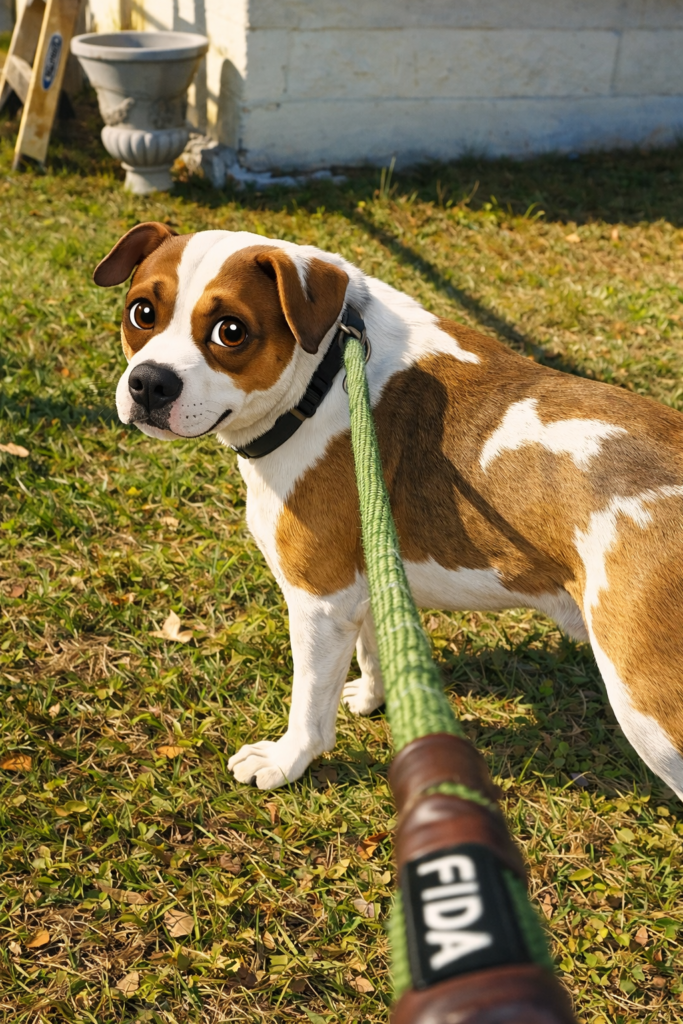
Witnessed through presence and observation
https://www.youtube-nocookie.com/embed/1ekbe5-j-0g?si=QYjWY0eSykXpi3lB&controls=0
https://www.youtube-nocookie.com/embed/r-fidqXOXtA?si=4y9puOXNk82nMGLr&controls=0
https://www.youtube-nocookie.com/embed/gMYdeoxG_rw?si=vRA4-SWQXsKcPdFO&controls=0
https://www.youtube-nocookie.com/embed/iG41i5sSem4?si=YN_8SDreztM5I45L&controls=0
Campaign Context
This campaign was shared primarily on TikTok because of how the platform is used.
TikTok is a fast-scrolling space. Attention is brief, and people move on quickly. If someone can be encouraged to pause, stop scrolling, and listen there, it shows that the story itself is strong enough to hold attention without explanation or promotion.
That was the intent.
Trooper’s story was shared quietly and consistently. Viewers stopped. They listened. They stayed. The same story was also shared on Wattpad, where Trooper’s written chapters continue to rotate between first and second position, indicating sustained engagement beyond short-form video.
The campaign was never about virality.
It was about testing whether patience, observation, and quiet presence could still be received in spaces designed for speed.
The answer was yes.
Because when someone slows down in a fast place, they are even more likely to listen elsewhere.
Every child deserves a forest full of friends.